by Kerri Lether | Mar 25, 2020 | Misc., News & Updates
Based upon the Washington State Executive Order requiring all non-essential businesses to close, the Lether Law Group’s physical offices will be closed for the next two (2) weeks. The firm has been anticipating this development over the past several weeks. As a result, each employee and attorney at Lether Law Group has been fully set up to work remotely from home until the current health crisis is resolved or the State of Washington allows us to re-open our doors.
According to Tom Lether:
“We are indeed blessed and fortunate to be in a business that allows our office to remain open in order to serve our clients and keep all of our employees employed. There are so many other businesses which are faced with having to make extremely difficult decisions at this time, we are fortunate enough to not have to make those decisions. Our support and thoughts go out to each of those individuals and businesses who are so adversely affected. For the first time since September 11, 2001 I have had to close the physical doors of our firm and it is indeed a difficult process. Like that terrible day, my only hope is that it brings our community together as we continue to do our jobs at home.”
Lether Law Group will have a crew physically at the Westlake office in order to accept and respond to physical mail and take care of other client needs. All staff and attorneys will be able to be contacted through the main switchboard or electronically at their email addresses. Lether Law Group does not anticipate any delays or difficulties in responding to the client needs, deadlines, or court required schedules.
On a brighter note, during the past two (2) weeks, Lether Law Group has continued to serve its clients while maintaining a positive attitude in the workplace. We have enjoyed Aloha Friday, numerous in-office competitions, casual dress days, color days and some wonderful lunches. We thank each of our employees for their hard work and great attitude during the past several weeks.
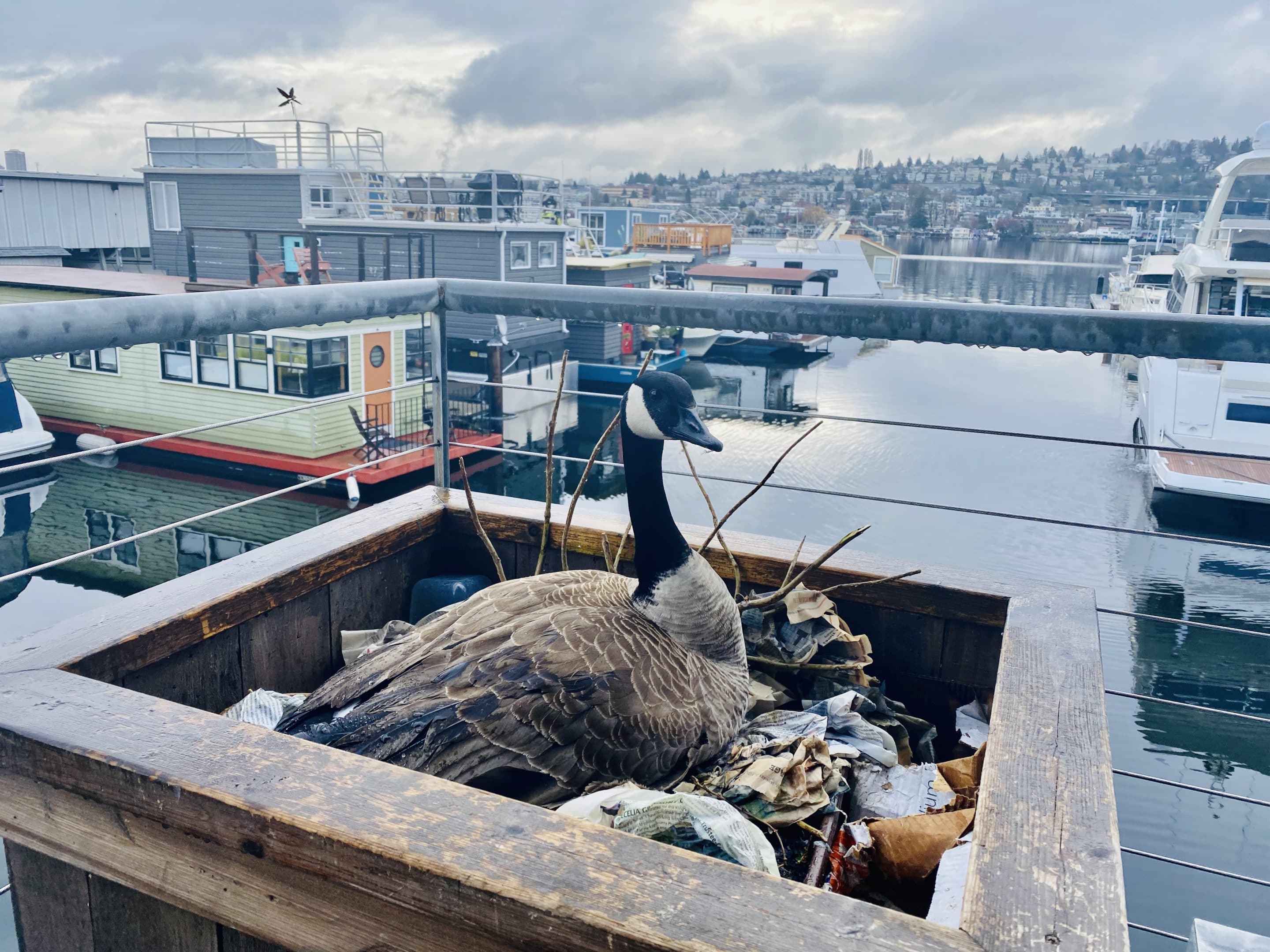
Spring has sprung, it is that time of the year again. Our geese have returned to the lake and have been fully nesting on six new eggs. This is, of course, the same couple who had been laying eggs at our office for the past several years. If anyone is interested, feel free submit a guess as to when they will hatch. We have a friendly competition at the firm. This just goes to show that life will continue and then Spring will come. Stay healthy and stay positive.

by Kerri Lether | Mar 20, 2020 | Insurance Law, Misc., News & Updates
In the mere days since our last newsletter, the social and economic impacts of the COVID-19 outbreak have undergone several seismic shifts. Lether Law Group is continuing to monitor the situation in order to develop swift and accurate responses to any questions that might arise regarding this unprecedented event. We encourage any clients or friends-of-the-firm who may have any questions or concerns to call or write at any time.
The following is a brief update on some of the issues that we are tracking:
Court Access
Virtually every court in the Pacific Northwest is operated on some measure of restricted access. Here are a couple of specific updates.
The state courts in Oregon have been ordered by the Oregon Supreme Court to move to Level 3 restrictions, which effectively means that all civil trials are indefinitely continued.
The Spokane County Superior Court in Washington has ordered that all hearings will be conducted telephonically. However, at this time there is still not anything on the Court’s website providing further information.
The Los Angeles County Superior Court, the largest court system in the nation, is currently closed entirely and is not scheduled to reopen until Friday, March 20, 2020. It is our understanding that when LA County reopens, it will be on a limited basis.
Again, nearly every court system that we are aware of is experiencing some level of disruption in service. We encourage anyone with a pending matter to review your court’s website or contact the court directed before going to court.
Property Insurance – Business Income Loss
One of the questions that we have been asked to address for several clients is whether there might be Business Income coverage available under first-party property policies to cover losses associated with the widespread closures and disruptions due to governmental directives to close or restrict business.
“Business Income” coverage provided benefits for income that a business loses due to a necessary suspension of operations caused by direct physical damage to the insured premises.
The Washington Courts have addressed this coverage and have held that Business Income benefits are only available if (1) the business actually ceases all operations, and (2) the lost income was directly caused by physical damage to the insured premises. Keetch v. Mut. of Enumclaw Ins. Co., 66 Wn. App. 208, 831 P.2d 784, 1992 Wash. App. LEXIS 266.
As a result, we would not anticipate that there would be too many scenarios in which the Business Income coverage is implicated for lost revenue caused by the COVID-19 outbreak. In situations where a business has decreased revenue due to its efforts to comply with governmental directives or merely due to less customer traffic, the coverage would not apply because there is not a necessary suspension of all operations. Moreover, even where a business is forced to close, whether voluntarily or at governmental direction, that closure will likely not be caused by any direct physical damage to the insured premises.
However, we are aware of one lawsuit that has already been filed seeking Business Income coverage in the context of a restaurant closure. Cajun Conti, LLC v. Certain Underwriters at Lloyd’s, London, et. al., Civil District Court for the Parish of Orleans, Louisiana. In Cajun Conti, the restaurant claims that the property itself is contaminated with the COVID-19 virus. Thus, the restaurant claims that the closure was in fact a necessary suspension of operations due to “physical damage” to the property. This lawsuit was just filed on Monday, March 16, 2020. We will provide updates as information about this lawsuit becomes available.
One other note on this coverage is that modern policy forms may contain a virus or pathogen exclusion that could operate to preclude coverage even where there is a necessary suspension of operations due to physical damage to the property. In addition, many property policy forms will include an exclusion for losses caused by the acts or decisions of a governmental entity.
As always, for any claim the policy should be thoroughly reviewed for any and all terms, conditions, limitations, and exclusions that may be implicated.
Finally, on federal, state, and local levels, there are a number of governmental entities initiating emergency measures to assist businesses that have closed or are otherwise have been affected. We anticipate that a number of jurisdictions will begin requiring insurers to provide relevant governmental agencies with information concerning the availability of Business Interruption coverage even without any claims having been made. The New York Department of Financial Services has already ordered all property/casualty insurers providing insurance in the State of New York to provide the Department with an explanation for the potential coverage relating to COVID-19. Specifically, the NYDFS Order requires the following:
Insurer must provide NYDFS with information regarding the volume of business interruption coverage that the insurer has written, that has not lapsed as of March 10, 2020, including the amounts of direct premiums, policy types, and number of policies for each type.
Examine all policies and “explain the coverage each policy offers in regard to COVID-19.”
Prepare a clear and concise explanation of benefits suitable for policyholder review.
Send the explanation of benefits to all policyholders and to NYDFS with a certification that the explanation has been sent to all insureds.
Again, we expect other states to follow New York’s lead on this issue.
Third-Party Liability Coverage – Lawsuits Against Governmental Bodies
Several of our clients insure governmental bodies, whether directly or by participation in municipal risk pool coverage. We anticipate that the COVID-19 outbreak and the governmental response thereto will result in a substantial number of lawsuits against federal, state, and local governmental entities that individuals or entities may view as culpable for the spread of COVID-19 or for the financial impacts associated with the response to the outbreak.
In times of emergency declaration, the government’s powers are sharply increased and many of these types of lawsuits may be barred by the doctrine of sovereign immunity or by the statutes allowing for expanded governmental power in times of emergency.
From an insurance coverage standpoint, however, these types of claims will present multiple complex issues that may impact the coverage picture. For instance, under a general liability type coverage, would a governmental decree requiring the closure of a business qualify as a covered “occurrence” or “event’ as those terms are defined in the relevant policies? Or might the coverage be more properly addressed under a broad “wrongful acts” type coverage?
For any of our clients or friends that would like to discuss the coverage implications surrounding potential claims against governmental entities, please feel free to contact us at any time.
A Word of Thanks
Lether Law Group is acutely aware of the massive social, financial, and cultural disruption that this outbreak has caused. We truly wish everyone the best in these trying times and we thank all of our friends, colleagues, clients, and acquaintances for all of the support that we have received. We truly cherish all of our relationships.
As always, if there is anything that you would like to discuss about these or any other issues, please feel free to contact Lether Law Group at any time.
by Kerri Lether | Mar 13, 2020 | Insurance Law, Misc., News & Updates
The coronavirus (COVID-19) pandemic has caused a significant health crisis throughout the world. The health concerns and public response to this catastrophe have been overwhelming. The potential economic impact of this crisis has yet to be fully addressed.
At Lether Law Group we are actively reviewing a number of potential legal and insurance related issues which will develop as a result of this ongoing situation. This includes analyzing the impact the virus will have on worldwide financial markets, the local impact on businesses and jobs, and the implication that this situation will have on our insurers and private clients.
Obviously, this is a rapidly changing and developing environment and we are working to stay on the forefront in identifying potential issues and developing a response to emerging issues for our clients. A number of issues have already been identified. For example, what are the potential coverage issues involving claims for business interruption or arising out of acts of decisions of government agencies to shut down transportation, service or public events? Additional issues arise in regard to the potential coverage for business interruption losses arising out of breach of contract claims and other transactual litigation which clearly will develop as a result of businesses and individuals retracting from ongoing financial obligations and business arrangements. Concerns have also arisen regarding potential liability and coverage issues for healthcare professionals and first responders that are on the frontlines of the fight against COVID-19.
We are also assessing the potential liability and coverage issues that might arise from accidental exposure to COVID-19 in the workplace and public at large. Finally, we are also working to address the significant issue involving available health benefits under public and private health insurance plans associated with medical care for COVID-19 infection.
One thing is definitely clear, this health crisis will not be going away any time soon and will continue to impact the economy and the insurance markets for the foreseeable future. In fact, the impacts are already affecting large portions of our society, with the cancellation of nearly every major sporting event, festival, concert, and other public gathering. The crisis is also dramatically impacting our courts. The following is a brief summary of what we know so far:
Pursuant to General Order 01-20, signed by Chief Judge Ricardo Martinez on March 6, 2020, all trials in the United States District Court for the Western District of Washington are continued indefinitely. The Court remains open, but there will be no hearings or trials. The Order will be vacated or amended on or before March 31, 2020. We anticipate that the Order will be extended at that time.
On March 4, 2020, Chief Justice Debra Stephens of the Washington State Supreme Court issued an Emergency Order allowing the Superior Courts and intermediate appellate courts to “adopt, modify, and suspend” the court rules or orders as warranted to address the crisis.
The King County Superior Court has suspended all personal appearances for oral argument on contested motions. We are also advised that although there is no formal Order at this point, there will be no civil trial in King County for a minimum of 2-3 months.
The Pierce County Superior Court will continue to hold trials and hearings, but it appears that decisions on whether to go forward are being placed in the discretion of each judicial department. Practitioners are being encouraged to contact the judicial assistant in their assigned department to inquire as to the status of pending matters.
The Snohomish County Superior Court has adopted an Emergency Order substantially the same as that adopted by Pierce County.
At this time, there are no changes to court operations for the United States District Court for the District of Oregon.
The largest state court in the State of Oregon, the Multnomah County Circuit Court, has ordered that all civil trials are continued for at least 30 days.
The United States District Court for the District of Idaho is maintaining normal operations. However, the Court has barred anyone who has travelled to the following areas in the past 14 days from entering the Court: China, Iran, Japan, South Korea, and “the Seattle/Tacoma area.”
Multiple other courts in the Pacific Northwest, and frankly throughout the United States, have adopted measures urging caution and offering recommendations for dealing with COVID-19. We urge anyone with any pending matter to visit the relevant court website for further information.
Despite any interruptions in the business environment or any court closures, Lether Law Group remains open and available to discuss these or any other issues at any time. If you are interested in discussing the impact of COVID-19 in relationship to economic concerns, insurance, or any other issues, please contact Lether Law Group.
by Kerri Lether | Feb 7, 2020 | Insurance Law, Misc.
It is not uncommon for people to complain about their insurance company. No one likes paying premiums and rarely does anyone enjoy having to make a claim. However, property insurance policies are products that most, if not all, homeowners and renters have. The following are some commonly asked questions and some simple recommendations.
-
As a Property Owner or Renter What Types of Insurance Should I Have?
All homeowners and renters should carry property and liability insurance. These policies typically provide similar coverages. Homeowners policies provide coverage for the actual structure or residence, the personal property in the residence, and for additional living expenses which may be incurred if a loss takes place. Such expenses can include the rental for an alternative residence, emergency meals, etc. Renters policies provide the same types of coverage except coverage for the actual building. Finally, owners of condominiums should also procure property insurance. Condominium policies obtained by unit owners typically provide coverage for their personal property, additional living expenses, and improvements and betterments contained within their own individual units.
Homeowners, condominium owners, and renters policies also typically provide liability coverage which protects an insured if a claim or suit is filed against the insured. This coverage provides both for an attorney to defend the insured and for payment of any judgment or settlement up the amounts of the policy limit.
-
What Makes for a Good Insurer?
Premium value is always a concern. However, it is better to spend the money to have the right insurer and coverage’s. Although you may want to shop your insurance premium, find out from your agent or broker what you are actually getting for your money. When it comes to customer service, local insurers are going to typically provide better service. It is better to have a claims agent in your neighborhood or community as opposed to a remote agent who does not understand the Northwest. It is always better to have an insurance claims department that actually has a physical presence in Seattle.
-
How Much Insurance is Enough?
It is best to be fully covered than to save a few dollars on premiums. For example, it is important that you properly assess the value of your personal property. It is even more important to understand that the construction costs for repairing your home may be significantly more than you imagine. Given the construction boom in the Northwest, construction prices have gone up dramatically. Your own insurance company may not even recognize this.
Finally, we live in a litigious world. The value of claims against individuals have skyrocketed. Carrying a $100,000 liability policy limit may seem like a sufficient amount. However, if you are sued for traumatic injury you may find that such a limit is not enough.
-
Is Excess Coverage a Good Idea?
Umbrella, or excess, coverage provides liability coverages over the amount stated in your primary policy. Given the exposures present in the current world, it is always a good idea to make sure you have excess or umbrella coverage providing additional protection.
-
Are There Particular Types of Property Coverage that Insureds Should Have?
There are a number of types of property coverages that an insured should make sure they have. These include Guaranteed Replacement Cost Coverage. This coverage usually provides additional limits to an insured when they repair their residence following a loss. Another example involves building code or upgrade coverage. This provides additional coverage if a building department requires modifications to be made to your home or residence. Finally, if you have particular contents items that are high in value, you should consider scheduling the personal property and obtaining additional coverage. For example, most property policies have limitations on jewelry and antiques. For a small amount you can obtain additional insurance for these items.
-
Is Earthquake Coverage a Good Idea?
Seattle has not suffered a major earthquake since February 28, 2001. However, there is always the potential that an earthquake could happen at any time. Earthquake coverage is more applicable to homeowners as opposed to renters or condominium owners. Depending on the age of your home and type of construction, earthquake insurance may be a valuable thing to have. However, make sure that you are getting the right type of coverage. For example, many earthquake policies have limits on how much will be paid out, have high deductibles, etc.
-
What Do I Do If I Have a Claim?
One of the most important things to do if you suffer a loss is to report the loss promptly. Thereafter, cooperate with the agent and claims representative to make sure the claim is processed in a timely fashion.
-
What Happens if My Insurance Company Does Not Properly Respond to My Claim?
Washington is one of the most consumer-friendly jurisdictions in the country for insureds. The insurance industry is heavily regulated. There are very specific requirements that an insurer must follow in regard to how to handle claims. This includes specific response deadlines for how long an insurer has to resolve claims. There are many options for insureds to pursue claims against insurance companies which improperly treat their insureds. If insurers fail to follow these rules or otherwise act in what is termed “bad faith,” they may be exposed to claims under the Consumer Protection Act, claims under the Insurance Fair Conduct Act, and other common law claims. A good place to obtain additional information or to report an insurer that is not acting properly is the Washington State Office of the Insurance Commissioner.
The above article is an opinion based on various resources such as industry knowledge and is not to be construed as legal advice or to be used as such. If you require legal advice or would like to inquire further about the information contained in this article, please feel free to contact our office directly.