
1-206-467-5444 info@letherlaw.com

Construction Defects In Tropical Environments

Building failures can result from a number of causes. A failure can be explained as much by weather as bad construction. For example, ice dams resulting in water and roof damage are common in colder regions. As a result, it is essential to be aware of the interaction between construction deficiencies and the environment in order to address weather-related failures.

The takeaway in many instances is that certain types of construction do not work in certain weather conditions. This is readily apparent in the tropics. For example, wood frame structures are subject to failure in regions of high heat, rain, and humidity. Steel or concrete construction is preferable.

Another example is the improper use of stucco in a tropical green environment. Exposure to marine air, salts and elevated temperatures can cause effervescence in stucco and concrete requiring the replacement of the entire building envelope.
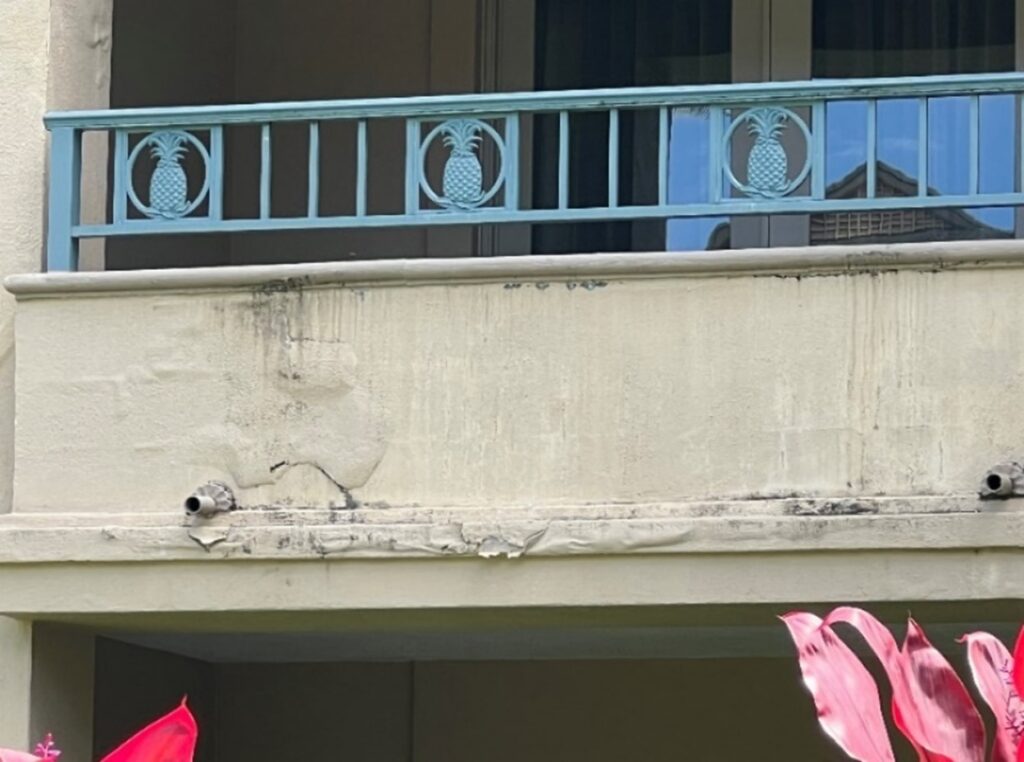
Stucco corrosion of property in Hawaii due to exposure to marine and high temperatures

Another everyday exposure in tropical climates is marine oxidation of exterior metal. Systems such as window frames, window door frames, and metal hardware exposed to salt, marine air and high heat routinely corrode. Finally, temperature inversion, the relationship between hot outside air and interior air cooled by air conditioning and HVAC systems can lead to numerous defects.
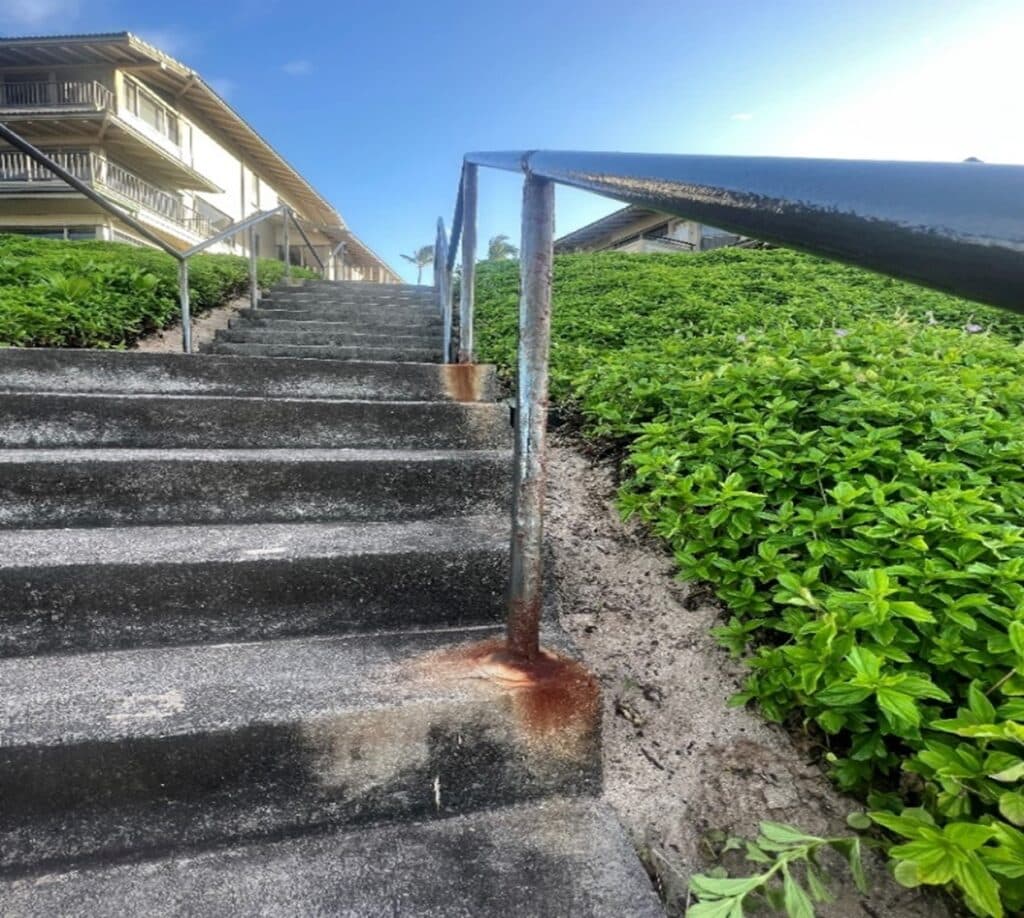
For all these reasons, it is essential to consider what building materials and types of construction should be used in tropical conditions.

Lether Law Group's Hawaii Office Is currently involved in several construction defect matters in Hawaii. We are proud to have several attorneys born or raised in Hawaii and licensed to practice there.

Lether Law Group has the advantage of over 35 years of construction insurance coverage and litigation experience, coupled with local know-how and an affinity for Hawaii.

If you are involved in any construction claims in Hawaii or other tropical zones, feel free to contact us with any questions.

Insurance Coverage & Volcanic Activity

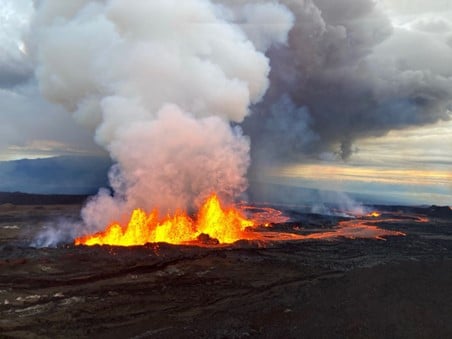
After nearly 40 years of silence, Moku‘āweoweo, the summit caldera of Mauna Loa on the Big Island of Hawaii, began erupting. The eruption lasted for approximately twelve days from November 27, 2022 until December 10, 2022. Big Island residents are no stranger to volcanic activity, but the unpredictable nature of these eruptions can often leave local residents and insurers unprepared. Outside of the insurance industry, most people do not consider or think about whether there is coverage for volcanic related activity under an insurance policy. 

On the Big Island of Hawaii, homeowner’s policies typically cover property damage caused by lava flow. Volcanic eruptions are not specifically excluded under standard homeowner’s policies. Additionally, some homeowner’s policies may include a specific endorsement extending coverage for property damage to dwellings or other structures caused by volcanic eruptions. Under this type of endorsement, coverage is often available for losses caused by eruption, explosion, effusion of a volcano, or a moving outpour of lava.

Homeowners and insurance coverage professionals should also be aware that coverage may be limited under homeowner’s policies that include an earth movement exclusion. When an eruption begins, earthquakes and other seismic activity oftentimes occur throughout the course of the eruption. Pursuant to standard earth movement exclusions in Hawaii, coverage for property damage may be excluded if the property damage is caused by earthquake, land shock waves or tremors before, during, or after a volcanic eruption as opposed to damage from lava and/or the eruption itself. This requires an examination of the proximate cause of the damage itself and can be a complicated issue.

The nature and extent of available insurance coverage after a volcanic eruption can be a complicated issue requiring a careful examination of causation, the nature and extent of the damages involved, and a thorough review of the terms and conditions of the applicable insurance policy. Needless to say, with the proper awareness of exactly what is and is not covered under homeowners’ respective insurance policies, the Big Island of Hawaii remains a dream destination to live and/or vacation. Our firm proudly represents clients across the Hawaiian Islands and we are always happy to answer any coverage related questions you may have.

Hau’oli Makahiki Hou (Happy New Year) to all!

.